RTA vs. Full-Custom Cabinets for North America: A Sourcing Decision Guide
For North American importers, distributors, and developers, the cabinet question has shifted. It is no longer simply “local vs import” — it is “ready-to-assemble (RTA) vs full-custom, and how to source each without quietly eroding margin to freight and tariffs.” This guide frames the trade-offs and shows where a tariff-efficient, full-custom manufacturing partnership wins.
1. What RTA Cabinets Are

RTA (ready-to-assemble) cabinets ship knocked-down in flat packs. The buyer or installer assembles them on site. They dominate big-box retail and stock programs because they are cheap to produce and, just as important, cheap to ship — flat packs multiply the number of units per container.
| Factor | RTA |
|---|---|
| Freight | Low — flat-pack maximizes units per container |
| Up-front cost | Lowest entry price |
| Customization | Limited to catalog sizes and finishes |
| Assembly | Required on site (labor shifted to buyer) |
| Best for | Standard spec homes, rentals, quick-turn retail |
RTA is a volume play. The savings come from packaging density and standardized parts — which is also its ceiling: you get the catalog, not the room.
2. What Full-Custom Cabinets Are
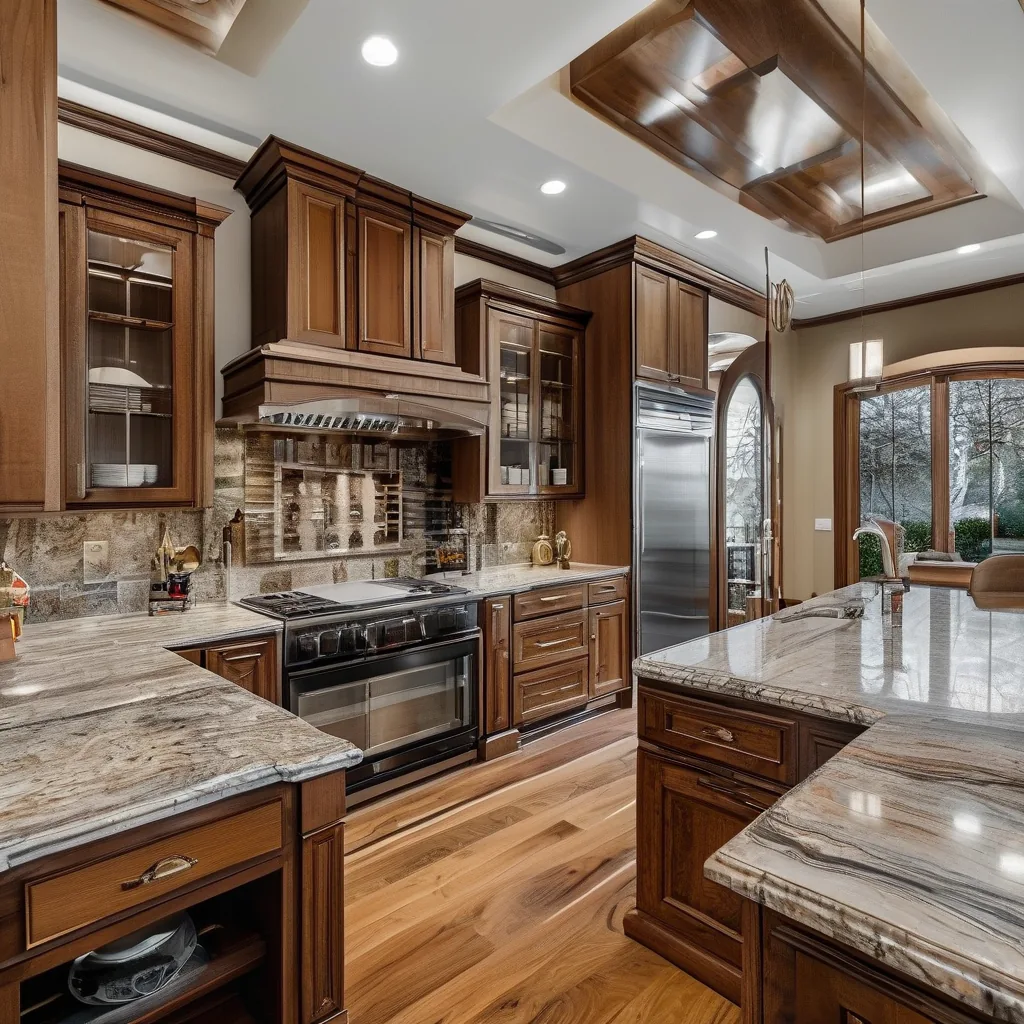
Full-custom cabinetry is designed and built to the project, not pulled from a catalog. At YIDA, that means a free 3D design service up front, then production driven by the IDPI (Intelligent Design and Production Integration) system for precision and quality control. Cabinets are specified with the buyer’s actual materials, hardware, and layout.
The build quality is engineered, not assumed:
- Hardware from vetted partners — imported Blum hinges (200,000+ cycle rating, 10-year guarantee), OPK silent drawer slides, and Nuomi anti-corrosion steel fittings.
- Materials including E1-grade boards (low formaldehyde), with finishes from melamine and lacquer to PVC and wood veneer, plus the BMW baking-paint process for a chip-free, non-discoloring mirror finish.
- Verification via 100% pre-shipment trial assembly and a stated 0.1% defect rate — fittings arrive aligned and tested, not loose in a box.
| Factor | Full-Custom (YIDA) |
|---|---|
| Freight | Assembled or RTA-pack options, optimized per order |
| Up-front cost | Higher per unit than stock RTA |
| Customization | Full — dimensions, layout, materials, hardware |
| Assembly | Pre-fitted; minimal on-site work |
| Best for | Hotels, multi-unit, bespoke residential, branded specs |
3. Side-by-Side
| Dimension | RTA | Full-Custom |
|---|---|---|
| Unit price | Lowest | Higher |
| Freight efficiency | Highest (flat-pack) | Good (optimized packing) |
| Design flexibility | Catalog only | Unlimited per project |
| Quality control | Variable, batch-dependent | IDPI + 100% trial assembly, 0.1% defect |
| Hardware grade | Mixed | Blum / OPK / Nuomi specified |
| Lead time | Fast (in stock) | Project-scheduled |
| MOQ | Low / by-the-box | Project-volume based |
The honest read: RTA wins on unit price and shelf availability; full-custom wins on fit, finish, and reliability at scale.
4. The North America Tariff Angle

Freight and tariffs are exactly where the “import premium” narrative breaks down. YIDA operates manufacturing in China, Indonesia, and Saudi Arabia. The Indonesian facility lets buyers source China-engineered cabinets without tariffs, and the Saudi plant (launched 2019, 15,000 m²) offers duty-free access to the United States. For a North American importer, that means a full-custom, made-to-spec cabinet can land without the tariff penalty usually associated with Asian imports — narrowing the gap with domestic RTA.
5. When to Choose Which
- Choose RTA when the spec is standard, the budget is tight, and speed matters more than fit — e.g., spec homes, scattered-site rentals, and retail restocks.
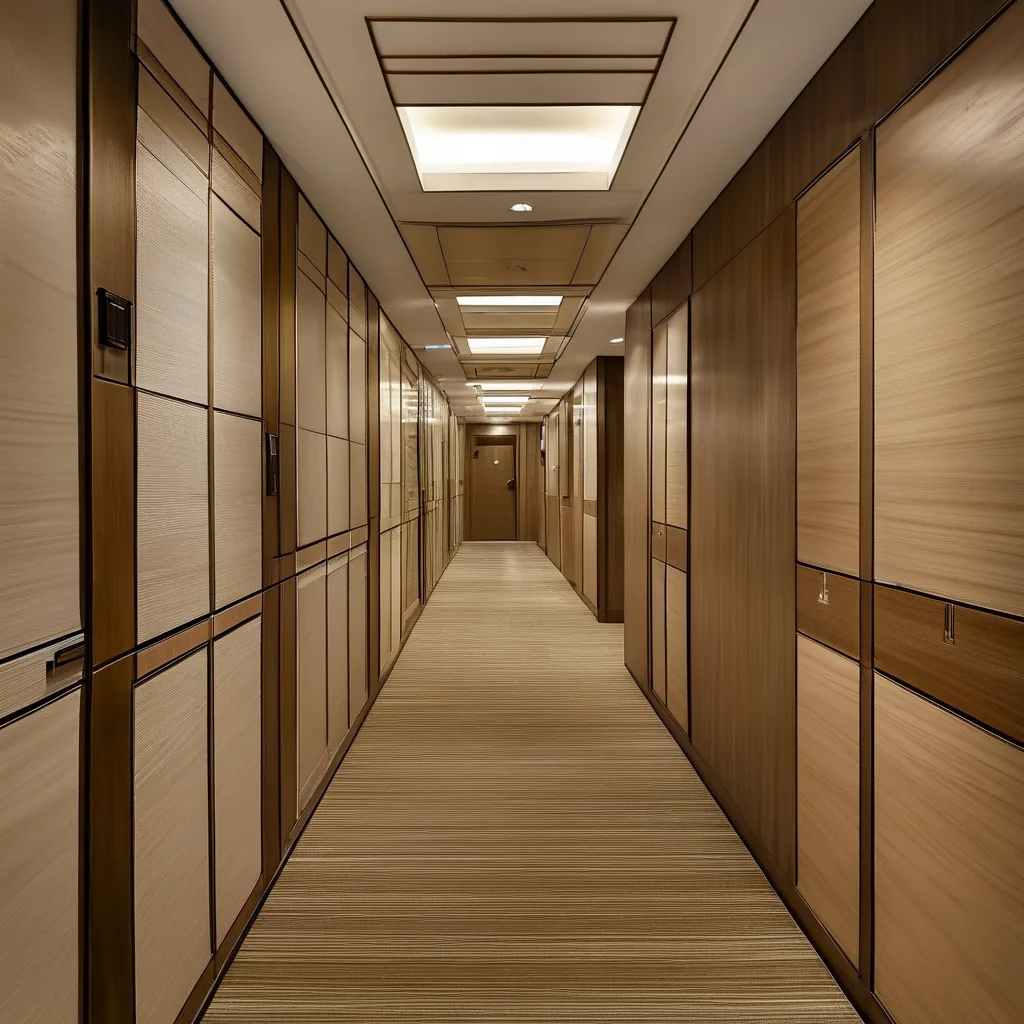
- Choose full-custom when the project is unique or repeated-at-scale with a brand standard: hotels and hospitality, multi-unit residential, senior living, and high-end bespoke homes. Here, the per-unit premium is recovered through fewer on-site fixes, longer service life (Blum’s 200,000-cycle hinges), and a coordinated look across hundreds of units.
6. Why YIDA for North American Full-Custom
YIDA is among China’s top-ten cabinet manufacturers, with 17+ years of global experience serving 80+ countries and an 80,000 m² intelligent base in Foshan plus overseas plants. Scale is real: 200,000+ cabinet sets per year in capacity, backed by certifications including ISO 9001, CE, SASO, CUPC, and WaterMark. Every project starts with free 3D design and a quote, and ends with pre-shipment testing.
Conclusion
RTA and full-custom are not enemies — they serve different jobs. For North American buyers, the real decision is matching the cabinet type to the project, then sourcing it where freight and tariffs don’t quietly erase the savings. With tariff-free access via Indonesia and Saudi facilities, full-custom is no longer the expensive outlier it used to be.
Specifying a project in North America? Request a free 3D design and quote, or review the kitchen, wardrobe, and hotel collections.