How to Read a Cabinet Quotation: An RFQ Checklist for B2B Buyers
A cabinet quotation is not a price tag — it is a specification audit. Two quotes at very different numbers can be describing two completely different products. For developers, distributors, and procurement managers, the skill is reading the quote for what it commits to, not just what it costs. This RFQ checklist shows what your specification should include, what a complete quotation should itemize, and where landed cost actually hides.
1. What Your RFQ Should Include

A vague RFQ returns a vague quote. Before asking for numbers, lock the inputs:
- Dimensions and layout — room measurements or drawings; for custom work, a free 3D design pass (offered upfront by YIDA) turns a sketch into exact carcass sizes.
- Material spec — substrate and face: E1-grade board, melamine, lacquer, PVC, or wood veneer, each with a defined standard.
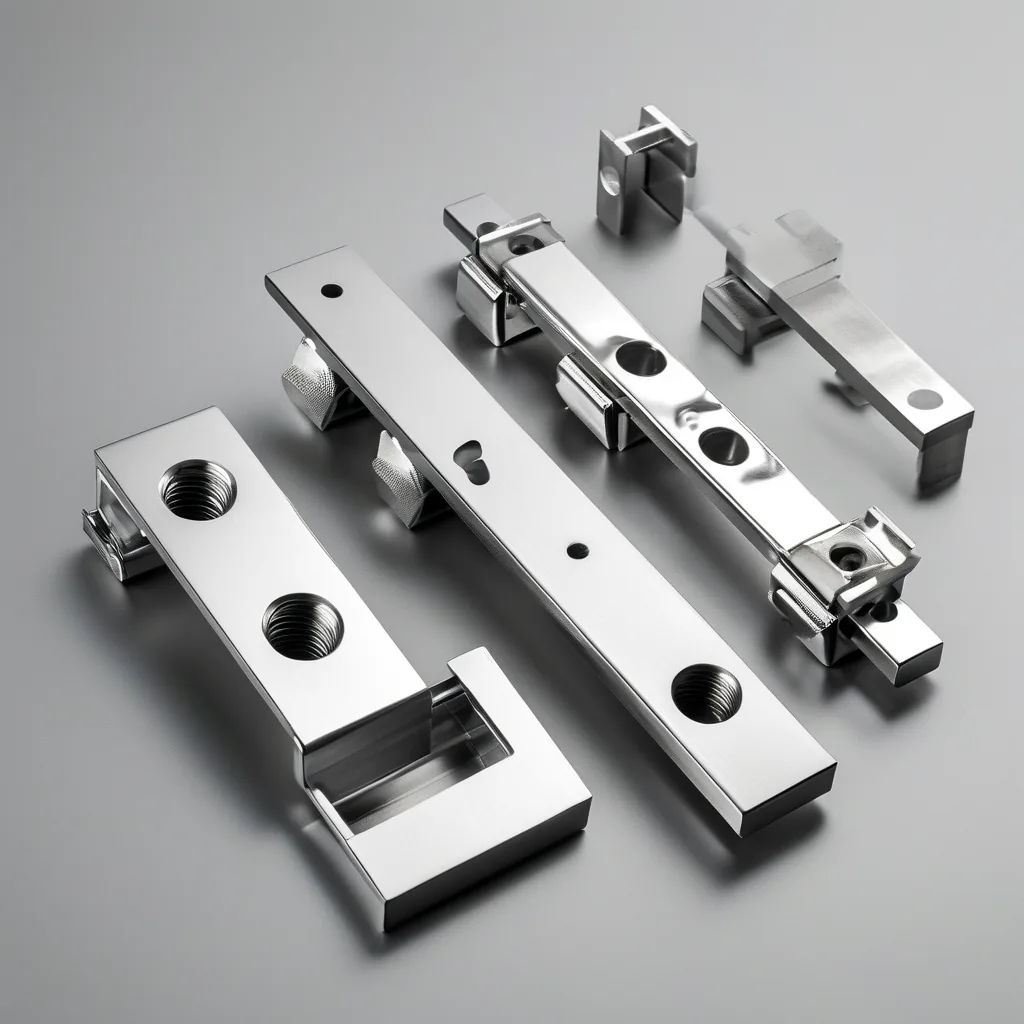
- Hardware grade — brand and rating, not just “soft-close.” Specifying imported Blum hinges (200,000+ cycle rating, 10-year guarantee) and OPK silent slides removes ambiguity.
- Finish process — e.g., the BMW baking-paint process for a chip-free, non-discoloring mirror finish.
- Quantity and project type — hotel guestroom sets, multi-unit residential, or bespoke homes change MOQ and packing.
- Compliance — target-market certifications: ISO 9001, CE, SASO, CUPC, WaterMark.
- Trade terms — the Incoterm you expect (FOB, CIF, DDU, or DDP), which decides who carries freight, insurance, and duty.
2. What a Complete Quotation Should Itemize

| Line item | Why it matters |
|---|---|
| Substrate & face material | Defines cost, durability, and indoor-air safety (E1 = low formaldehyde) |
| Hardware brand / rating | The difference between a door that lasts 10 years and one that rattles in two |
| Finish process | Baking-paint vs spray affects chipping and discoloration |
| Carcass construction | Pre-fitted vs flat-pack changes on-site labor |
| QA step | 100% pre-shipment trial assembly and a stated 0.1% defect rate signal tested, not guessed |
| Certifications | Proof the product clears your market (CE/SASO/CUPC/WaterMark/ISO 9001) |
| Lead time & capacity | YIDA runs 200,000+ cabinet sets per year across an 80,000 m² Foshan base plus overseas plants — scale affects slotting |
| Incoterm & tariff | FOB vs DDP changes the number you actually pay at your dock |
| Warranty | YIDA backs fitted furniture with a 10-year guarantee |
If a quote omits any of these, you are not comparing products — you are comparing guesses.
3. Red Flags in a Cabinet Quote
- “Plywood” with no grade or origin — substrate grade decides moisture resistance and lifespan.
- Hardware named only as “soft-close” — without a brand and cycle rating, that is a feeling, not a spec.
- No pre-shipment assembly or defect rate — fittings that arrive loose in a flat-pack cost more in rework than they save.
- Uncertified for the target market — a hotel project in the Gulf needs SASO; a bathroom line needs CUPC/WaterMark. A missing cert is a blocked shipment.
- One lump sum, no line items — you cannot negotiate or quality-control what you cannot see.
4. Incoterms and Tariffs: Where Landed Cost Hides

The headline price is rarely the landed price. Under FOB, you own the cargo once it leaves the supplier’s dock; under CIF the supplier adds freight and insurance; under DDU/DDP the supplier delivers closer to your door and (in DDP) clears duty. Each step shifts cost and risk.
Tariffs are the wildcard. YIDA’s manufacturing in Indonesia and Saudi Arabia lets North American buyers source China-engineered cabinets with tariff-free or duty-free access to the United States — a line item that can reshape the whole comparison against domestic RTA. Always ask the quote to state the Incoterm and whether duty is included.
5. Why a Manufacturer’s Quoting Process Matters
A quote is only as good as the system behind it. YIDA’s IDPI (Intelligent Design and Production Integration) links design and production for precision and quality control, so the dimensions on the quote match the cabinets on the dock. Combined with free 3D design up front and 100% pre-shipment trial assembly, the quotation becomes a verified commitment rather than an estimate. With 17+ years serving 80+ countries and certifications across ISO 9001, CE, SASO, CUPC, and WaterMark, the spec on paper is backed by audited process.
Conclusion
Reading a cabinet quotation is a discipline: specify tightly, demand line items, and watch the Incoterm and tariff lines where landed cost actually lives. A complete quote from a process-driven manufacturer — itemized materials, named hardware, certified compliance, stated QA, and clear trade terms — is cheaper in the long run than a low lump sum that hides its shortcuts.
Ready to put this checklist to work? Request a free 3D design and quote, review the hospitality specification guide, or compare sourcing models in the RTA vs full-custom North America guide.