Under Cabinet Lighting
Tired of chopping vegetables in your own shadow? Your kitchen’s overhead light is great for the floor, but it often leaves your counters—the most important workspace—in the dark. Installing lighting fixtures directly under your cabinets solves this by putting the light source right where you need it, eliminating shadows and making tasks safer.
This simple upgrade, a secret designers use, also creates the warm, high-end ambiance seen in design magazines. We’ll explore a few simple choices, from style to power source, to help you find the perfect under cabinet lighting for your home. Most options are simple enough for a weekend project and can completely transform your kitchen’s look and feel.
More Than Just Light: 3 Ways Under Cabinet Lighting Transforms Your Kitchen
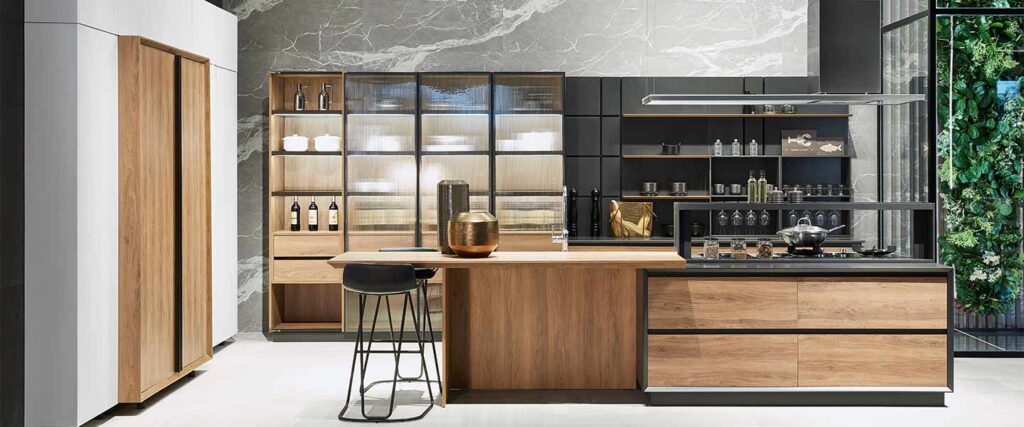
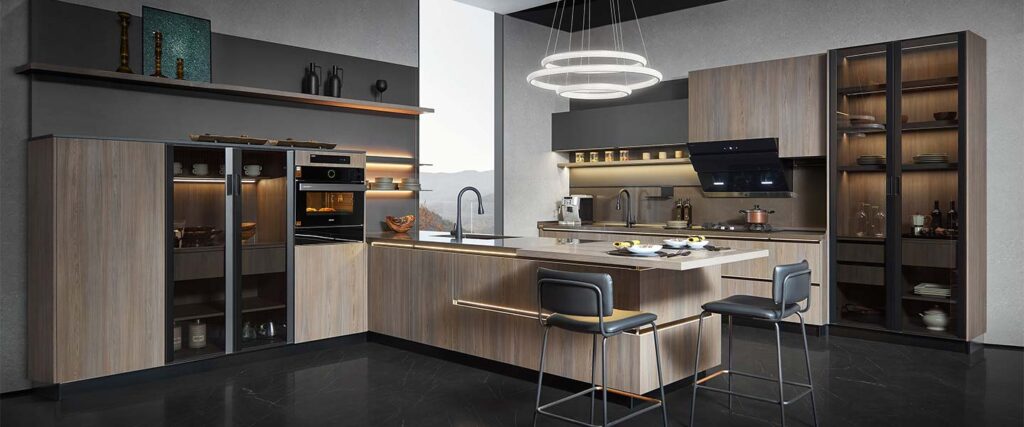
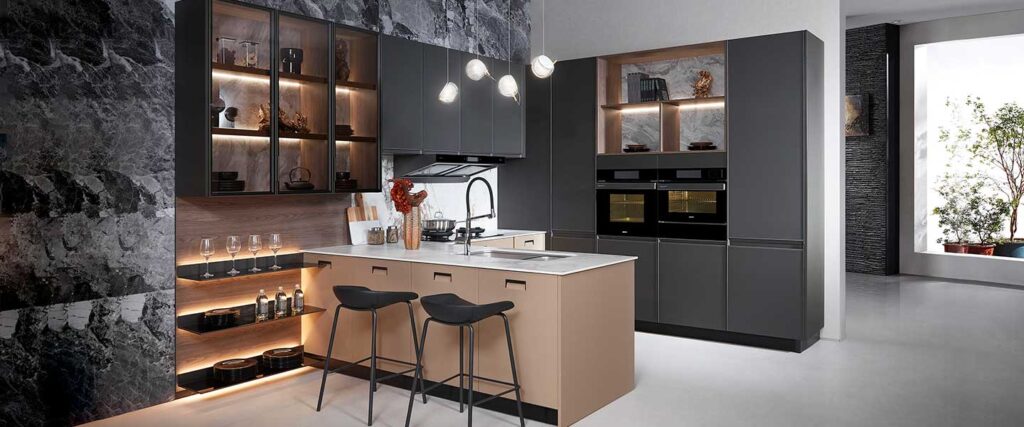
Beyond pure function, these lights add a layer of polish that makes a kitchen look more expensive. This is the secret to great DIY kitchen accent lighting; the soft glow highlights the unique texture of your backsplash and the finish of your countertops. This simple upgrade creates a sense of depth and luxury without the high price tag of a full remodel.
By putting light directly onto your workspace, it’s fantastic for improving kitchen task visibility, making everything from prepping food to reading recipes safer and easier on your eyes.
The effect isn’t just for when you’re working. In the evening, you can switch off the harsh main light and let just the under cabinet lights provide a warm, welcoming glow. This turns your kitchen into an inviting space, perfect for winding down or grabbing a late-night snack without the blast of a bright overhead fixture.
Spotlights or a Smooth Glow? Choosing Between Puck Lights and Strip Lights
When it comes to your new LED under الخزانة lighting, your first big decision is about the style of light you want. Are you picturing individual, focused spotlights, or do you prefer one continuous, smooth line of light? Your answer will lead you to one of two fantastic and easy-to-install options: puck lights or LED strip lights.
For a classic, traditional effect, puck lights are an excellent choice. Think of these as small, round spotlights that you place every 8 to 12 inches. They create distinct, circular pools of brightness on your counter, resulting in a gentle, “scalloped” look where the light overlaps. This style is perfect for creating cozy, focused task areas.
If you’re aiming for a clean, modern look, then LED strip lights (also called tape lights) are for you. This option is essentially a flexible, thin ribbon lined with tiny LEDs that provides an uninterrupted, seamless glow across your entire counter. This even illumination is fantastic for making a workspace feel bigger and for showing off a beautiful backsplash without any distracting shadows.
DIY-Friendly or Pro Finish? Your 3 Power Options Explained
Now that you’ve pictured your ideal lighting style, the next step is deciding how to power it. This choice is about your budget, DIY comfort level, and whether you’re looking for a permanent upgrade or a quick fix.
Your options fall into three categories, each with a different installation path. Battery-powered lights are the easiest—just stick them on and you’re done, with no wires to be seen. The most popular choice, however, is a plug-in system. These kits offer reliable, consistent power by using a standard wall outlet, making them a fantastic weekend DIY project. For the cleanest possible look, hardwired lighting is wired directly into your home’s electrical system by an electrician, often connecting to a wall switch for a seamless, built-in feel.
To make it simple, here’s how the three options stack up:
- Battery-Powered: Easiest install (peel-and-stick), no wires. Best for renters or small spots like a coffee nook.
- Plug-In: The DIY favorite. Plugs into a wall outlet for reliable task lighting. Best for most kitchens.
- Hardwired: The cleanest look. Wired into your home’s electricity by a pro. Best for new builds or major remodels.
For most people, finding a nearby outlet for a plug-in kit is the perfect sweet spot, giving you great performance without the need to hire a professional.
What’s the Best Light Color for a Kitchen? Getting “Warm” vs. “Cool” Right
Some light bulbs give off a cozy, yellowish glow while others are a stark, bright white. This is called color temperature, and it’s one of the most important choices for your kitchen’s atmosphere. Getting it right ensures your kitchen is both a functional workspace and a welcoming hub for your home.
On the product box, you’ll see this measured in Kelvin (K). A low Kelvin number (around 2700K-3000K) produces a “warm white” that feels cozy, much like a classic bulb. A higher number (4000K+) creates a “cool white” that’s bright and energetic but can sometimes feel sterile, like an office or a clinic.
For most kitchen lighting fixtures, a warm white around 3000K is the sweet spot. It provides clear, clean light for food prep without feeling harsh, and it makes wood tones and fresh ingredients look fantastic. While getting the color right is key, having control over the brightness is the perfect finishing touch.
Easy Upgrades: Are Dimmers and Motion Sensors Worth It?
Dimmable under cabinet lighting is one of the smartest upgrades you can make. It allows one set of lights to do two jobs perfectly: full brightness for safely chopping vegetables and a soft, low glow for relaxing evening ambiance. Many modern plug-in LED kits come with a simple remote that includes a dimmer, giving you this powerful feature right out of the box.
Motion sensors, on the other hand, are fantastic for specific situations. Think about a pantry or a deep corner cabinet where you just need light for a moment while your hands are full. A motion sensor cabinet light turns on automatically when you reach in and off when you leave. For your main countertops, however, they can be less practical as the light may turn off while you’re standing still.
Ultimately, a dimmer offers the most value for your main kitchen workspace, turning it from a simple utility into a design feature.
Your 3-Step Plan to Brighter Countertops This Weekend
You now know how to choose the right style, power source, and color for your under-cabinet lights. A professional, polished look is well within your reach this weekend.
Your next step is simple. Use this 3-point plan to find the right led under cabinet lights for kitchen:
- Measure: Note the length of the cabinets you want to light.
- Find an Outlet: Locate the nearest power source for a simple plug-in kit.
- Choose & Shop: With this info, you can confidently find the best led strips for kitchen cabinets or classic puck lights for your space.